Prefabrication is not a requirement for every commercial project. Qubix describes the service as off-site manufacturing and modular systems tailored to the project brief. The important part of that description is the relationship to the brief: an approach should respond to the intended project rather than determine it in advance. Off-site fabrication is one route within delivery and is used where it suits the project. This makes suitability a question to explore, not a promise to assume.
Begin with the commercial purpose
An office complex and a coffee shop do not present the same brief. Before discussing a modular approach, describe the activities, the spaces they need and how those spaces should relate. The Qubix Discover step is about aligning on the brief, site and budget. That offers a practical starting point for considering prefabrication alongside site execution. It avoids treating a manufacturing method as a complete answer to questions about use, location or scope.
Different projects, different arrangements
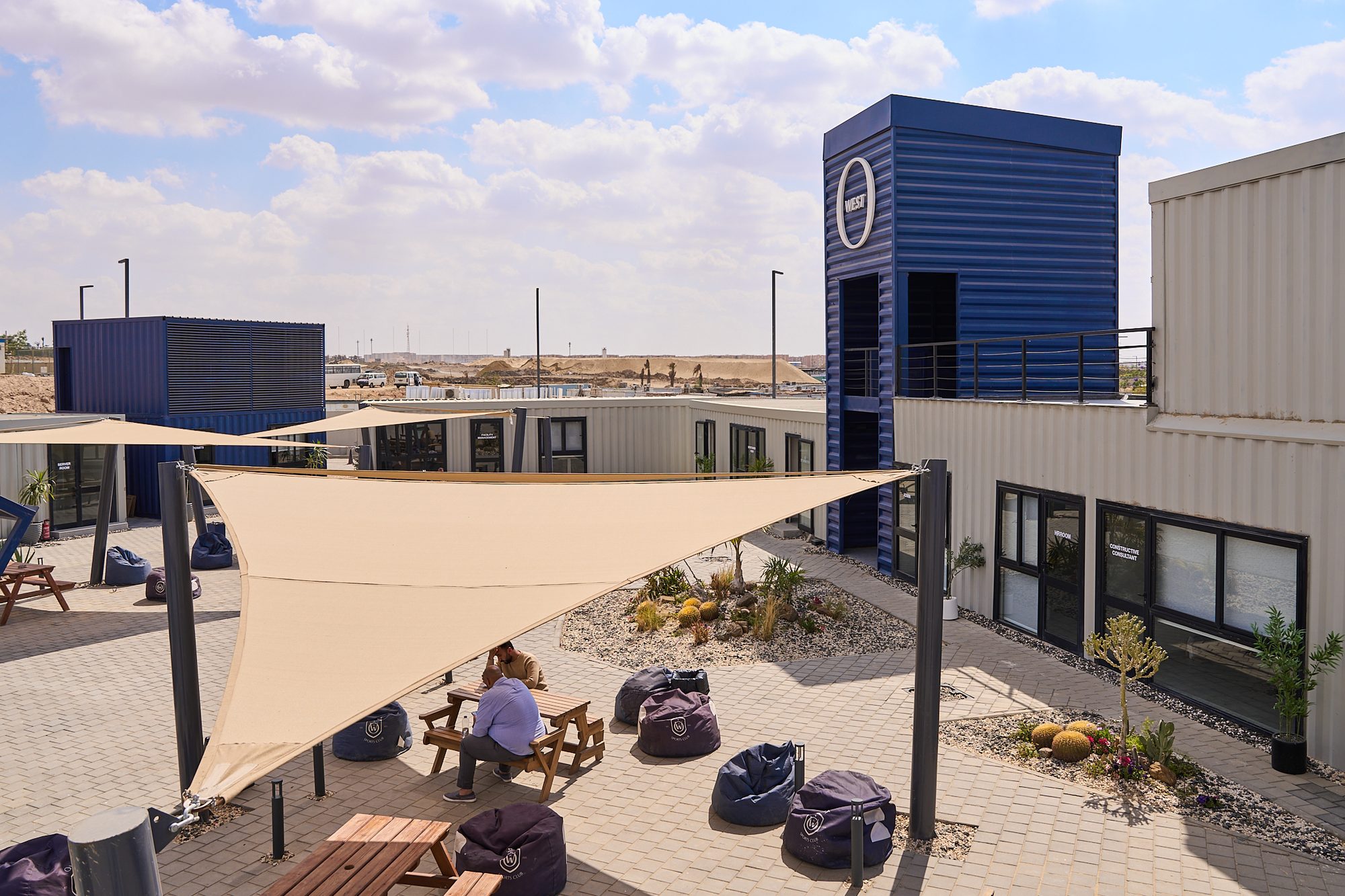
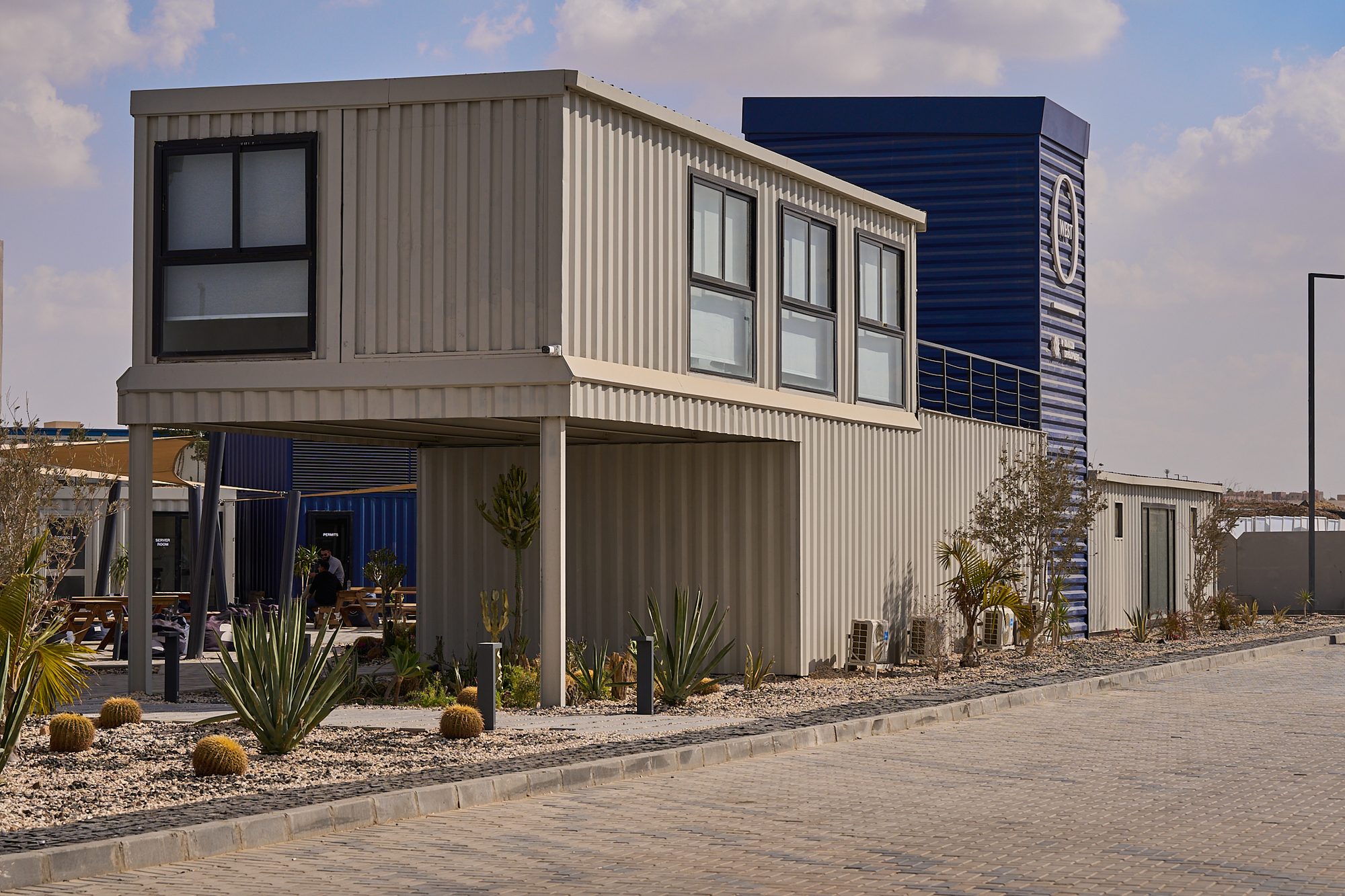
O West Temporary Office Complex is recorded as a temporary office complex combining containers and steel structures, organised around a central social plaza. An angled staircase container forms a distinctive architectural focal point. The recorded role includes complex modular planning, functional architecture, and connected shared spaces. This example brings the conversation back to arrangement: the shared plaza and the relationship between spaces are part of the project description, not incidental to the building approach.
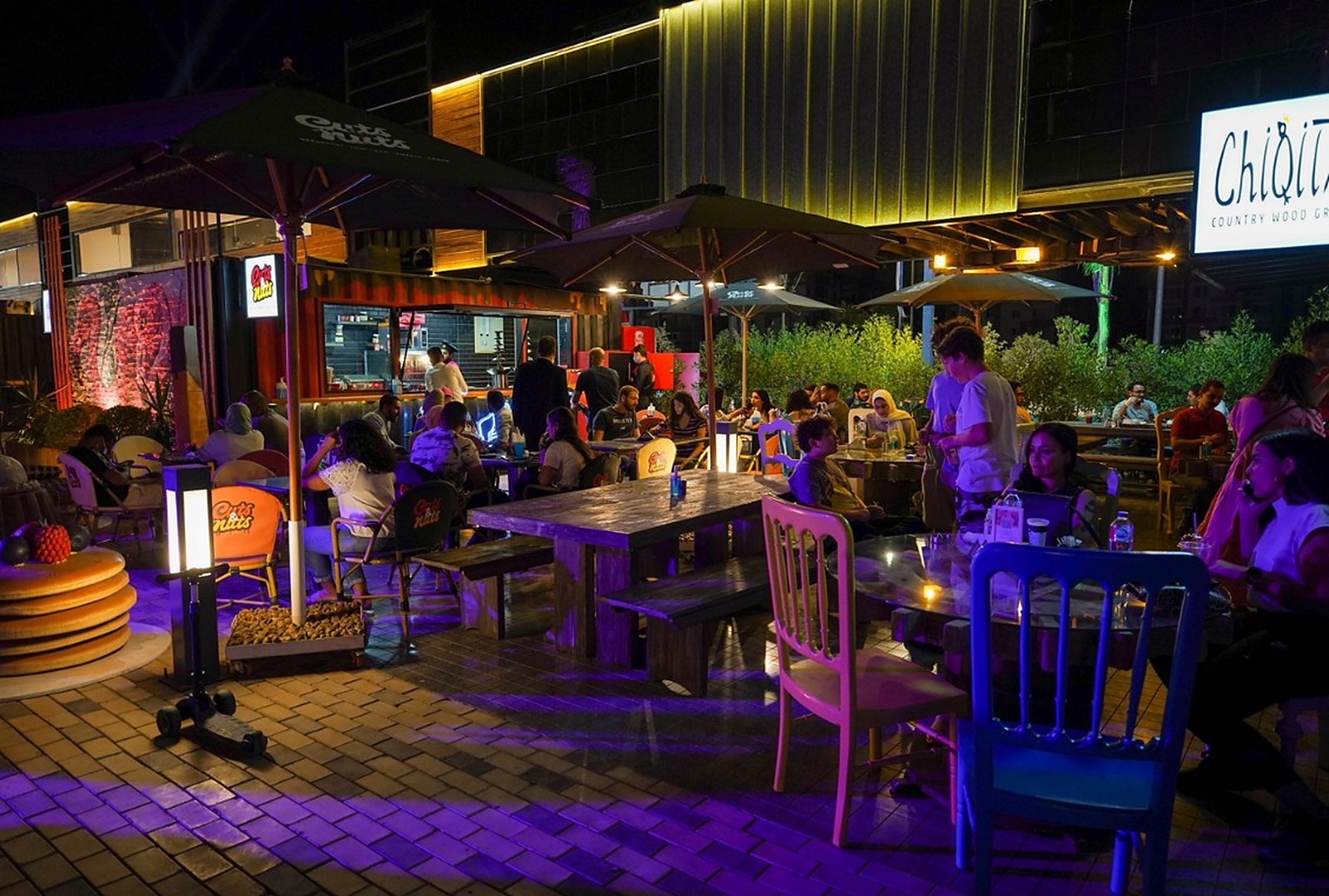
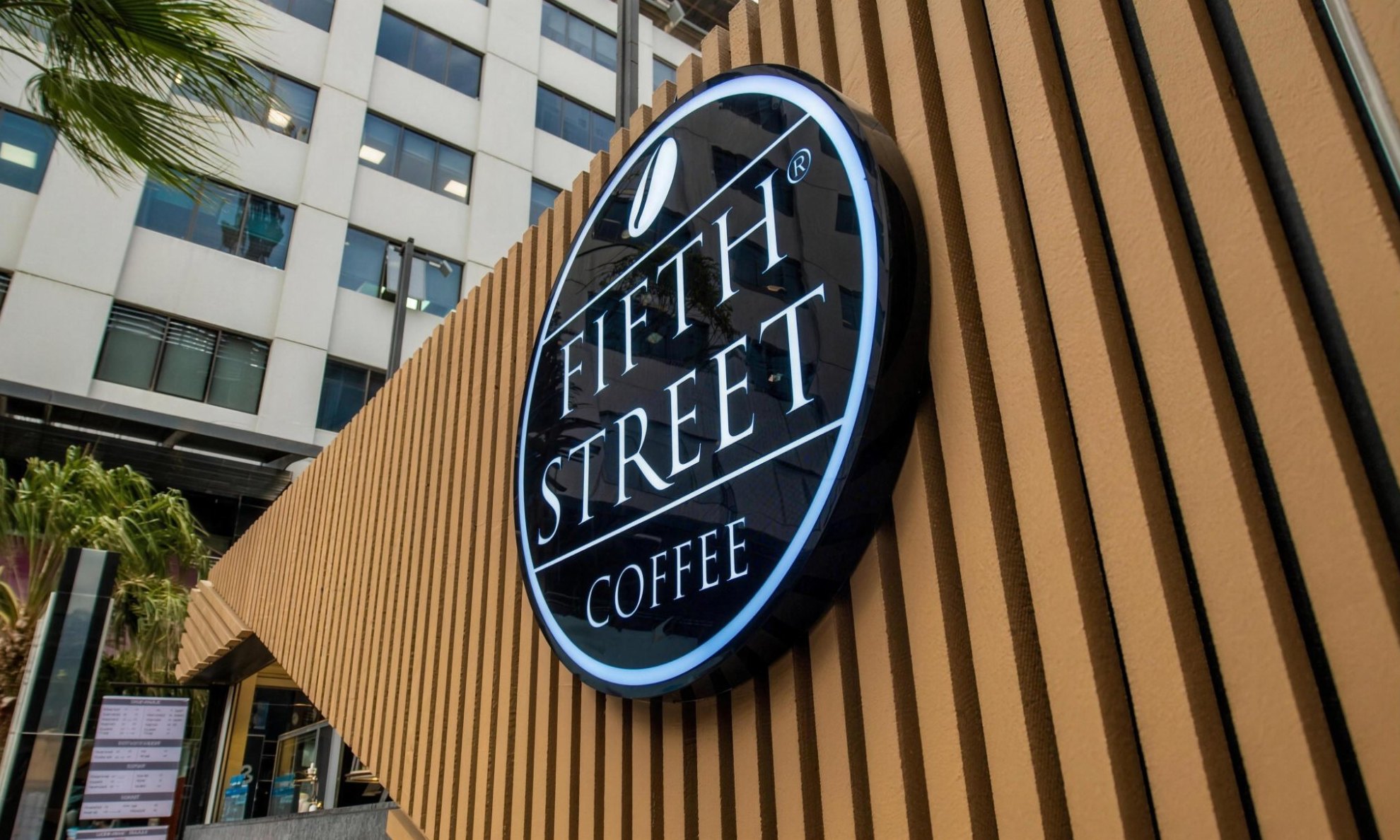
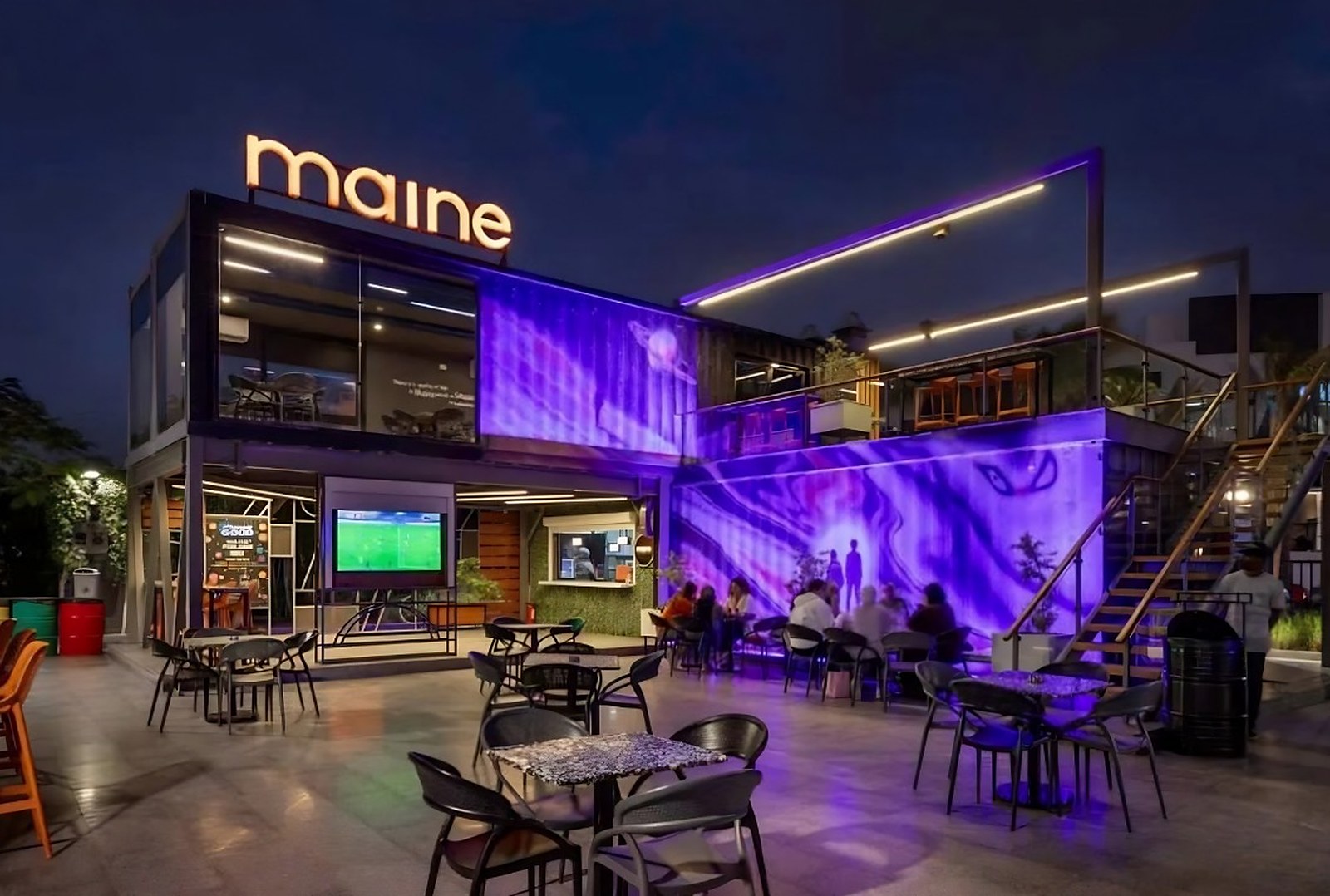
Qubix Hub is described as a commercial space built using 57 ISO shipping containers. Fifth Street is described as a fully operational coffee shop built on-site in just 3 weeks in Downtown Mall, Cairo. These are individual portfolio facts, not standard unit sizes or delivery commitments. In particular, Fifth Street’s recorded on-site duration should not be transferred to another enquiry. Its example also shows why a prefabrication service tag should not be taken to mean that every activity happened off-site.
- Set out the commercial use before selecting a construction approach.
- Explain how individual spaces and shared areas should relate.
- Share the site, scope and target programme for discussion.
- Ask where off-site fabrication may suit the brief and where site execution is needed.
One route within delivery
Qubix’s manufacturing facility is in Abu Rawash, Industrial Zone. That is a location fact, not a statement about capacity, machinery or lead times. The shared Build step includes site execution and, where relevant, off-site manufacturing. Reading those two routes together allows the brief to remain central. It also leaves room for a commercial project to combine approaches rather than being described as wholly modular or wholly site-built before the scope is understood.
For a new project, the most useful next step is to share the intended use and the information already available. The O West, Qubix Hub and Fifth Street Coffee case studies offer different recorded examples to consider, not a template that every client must adopt. Discuss the brief first; the appropriate role for prefabrication can then be considered within the wider delivery conversation.