
A construction enquiry can begin before every detail has been resolved. What matters is making the available information and the open questions clear. Qubix’s Discover step is aligning on the brief, site and budget. The Construction page asks clients to share their site, scope and target programme. Together, these give a straightforward framework for preparing an initial conversation without suggesting a legal checklist, a cost estimate or a guaranteed construction schedule.
Describe the brief in terms of use
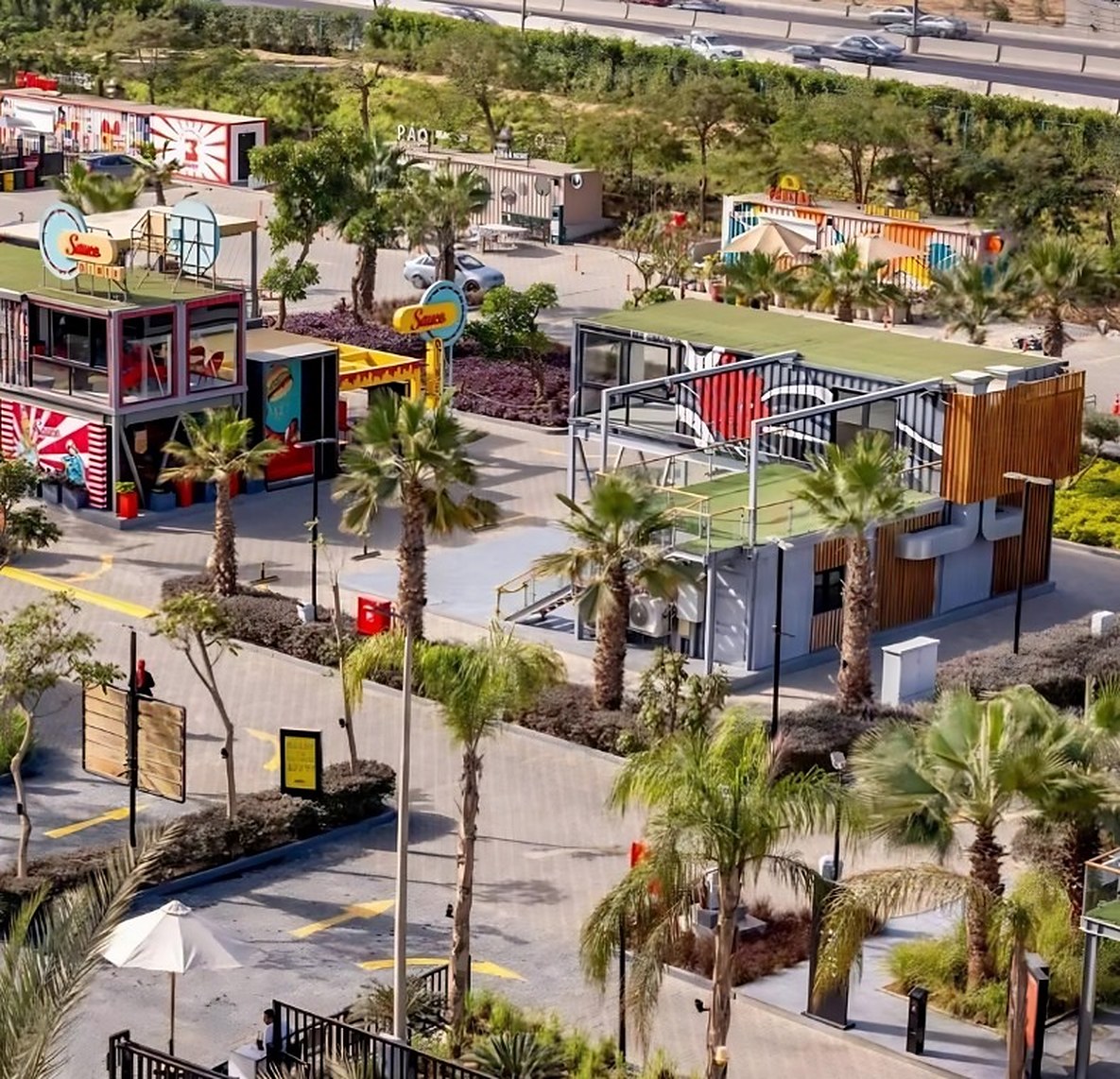
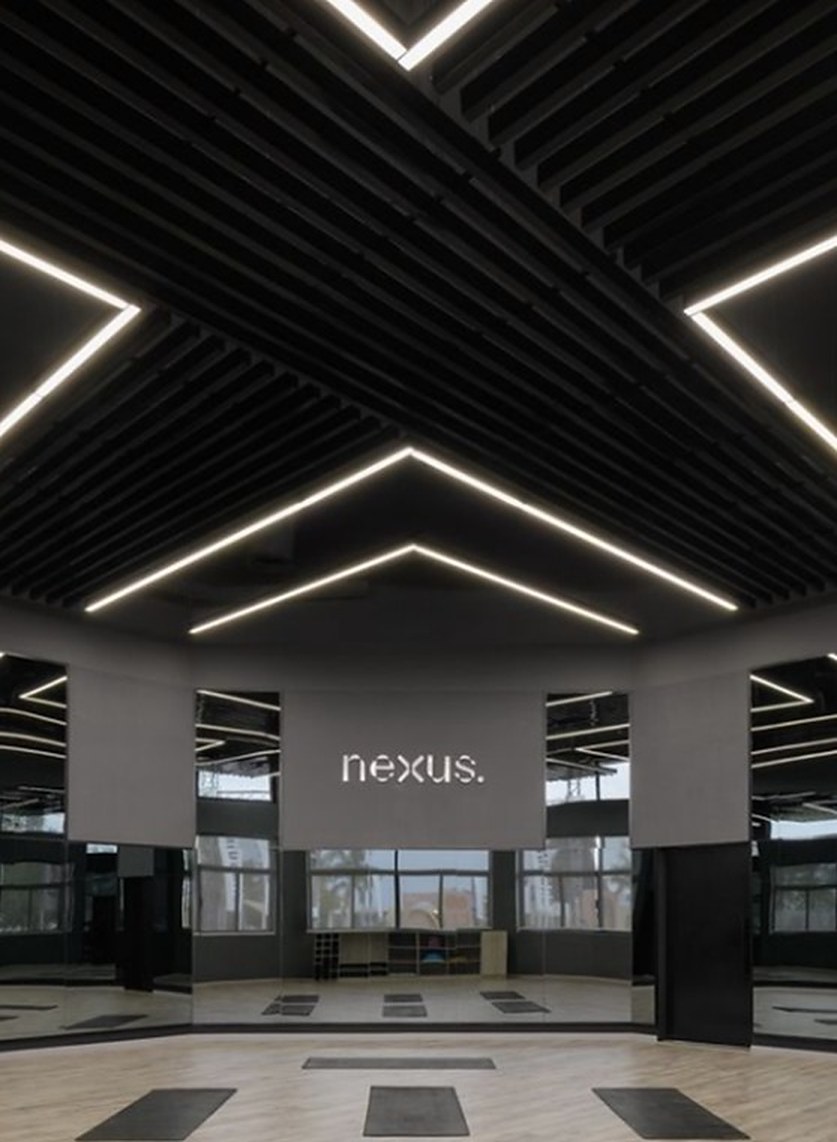
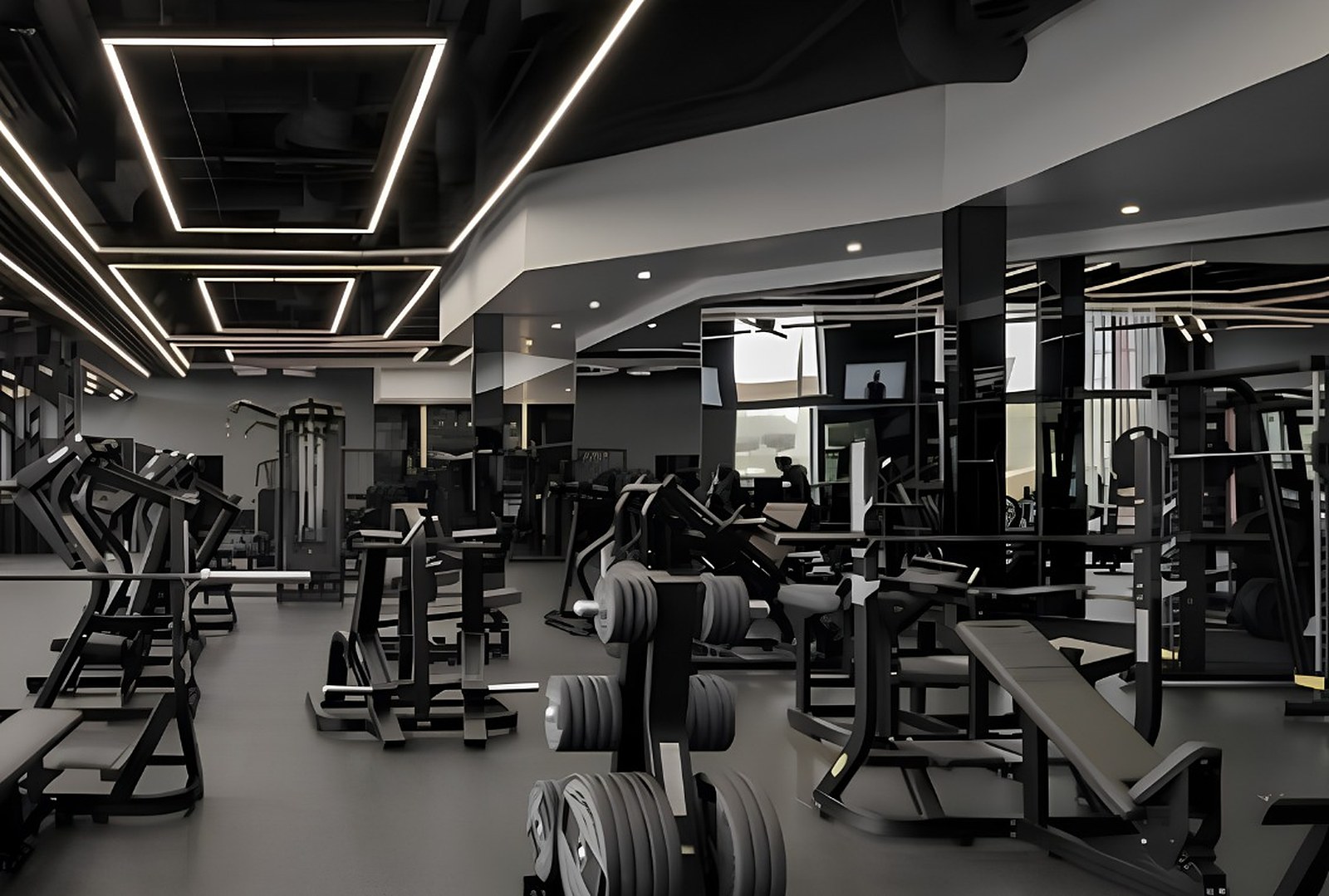
Explain what the project needs to do and which activities it should accommodate. A list of intended spaces can help, but the relationship between them also matters. The Drive is recorded as a commercial destination combining commercial strategy, architectural design, and purpose-built development. Nexus Gym is recorded as a fitness facility at ZED Park. Their different uses illustrate why the purpose of the project should be clear before a delivery approach is discussed.
Separate the site from the scope
Share the site information you have, then describe the work you are asking Qubix to consider. Site and scope are connected, but they are not interchangeable. An address does not explain whether an enquiry concerns architectural design, construction, interior fit-out or a combination. Likewise, a service name does not describe every requirement of the place. Mark information that is not yet available as an open question in the conversation rather than filling the gap with an assumption.
- Brief: describe the intended use and the spaces it needs.
- Site: share the location and the information currently available.
- Scope: explain which work you want to discuss and what remains undecided.
- Budget: share the budget context for the initial alignment.
- Target programme: explain the intended timing and any open questions.
Make the delivery boundaries clear
The Drive’s recorded scope includes design, build, and turnkey delivery, from concept to handover. Nexus Gym’s recorded scope is Design, Build and Fit-Out. These examples support a discussion about integrated delivery, but they do not mean every new project includes all of those services. The first conversation should distinguish the requested work from work outside the brief. A clear scope gives design and construction discussions a shared reference without assuming a particular contractual arrangement.
The target programme belongs alongside the scope and site information. Explain the intended timing rather than borrowing a duration from a portfolio project. If an element is still undecided, keep that uncertainty visible in the discussion. This note does not prescribe particular documents, approvals or budget allowances. Those details depend on the project and should be addressed through the actual brief rather than a generic checklist.
Prepare for the next conversation
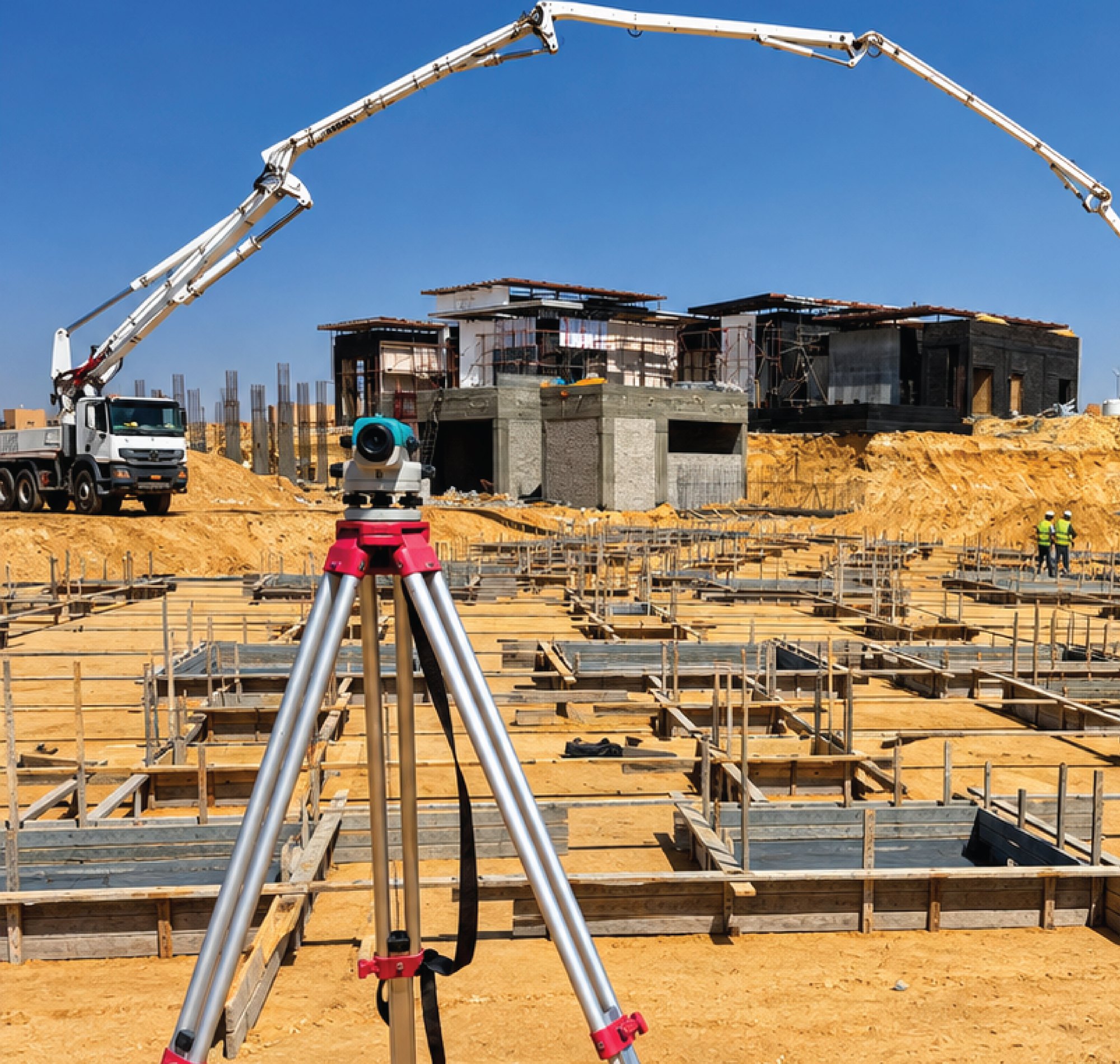
Bring together what is known, what is being requested and what needs clarification. Qubix’s Design step concerns coordinated design that prepares the project for execution; Build concerns site execution and, where relevant, off-site manufacturing. The initial alignment gives those later discussions a starting point. Use the Contact page to discuss a project and share your site, scope and target programme. A concise, honest brief is more useful than an apparently complete one built on untested assumptions.