


Qubix’s Architectural Design description centres on concepts, technical coordination, and documentation that prepare projects for execution. The connection to execution is important. Design coordination is not just a conversation about how a project looks; it is also a way to bring the brief and the information needed for delivery into the same discussion. This practical note explores that relationship in general terms, without claiming particular technical procedures or outcomes on individual projects.
Keep the brief as the shared reference
The delivery process begins with Discover: aligning on the brief, site and budget. Design follows with coordinated design that prepares the project for execution. Keeping those steps connected allows the intended use and the requested scope to remain the reference as the conversation develops. When information is incomplete, the useful response is to identify the question that needs resolving, rather than turn an assumption into an instruction for site execution.
Different responsibilities, connected information
The delivery teams identified in Qubix’s shared content include Design, Technical Office, Tendering, Procurement, Project Management and Site Execution. These labels describe the team structure available in the content; they do not establish particular reporting lines or project staffing. As a general coordination principle, information should be understandable across the responsibilities it affects. A concept, a scope decision and the documentation for execution need to relate to one another rather than stand alone.
- Keep concepts connected to the intended use and agreed scope.
- Identify technical coordination questions before treating them as resolved.
- Distinguish current documentation from information still being developed.
- Carry the brief through conversations about design and site execution.
Integrated delivery in the portfolio
Nexus Gym’s recorded scope is Design, Build and Fit-Out. It is a fitness facility at ZED Park, with a large workout area, studio, offices, bathrooms, lockers, and retail spaces. The recorded role is integrated delivery of a large fitness environment and its operational requirements. That description offers an example of several services connected to one intended use. It does not establish specific coordination meetings, software, construction details or methods that are not supplied in the project record.
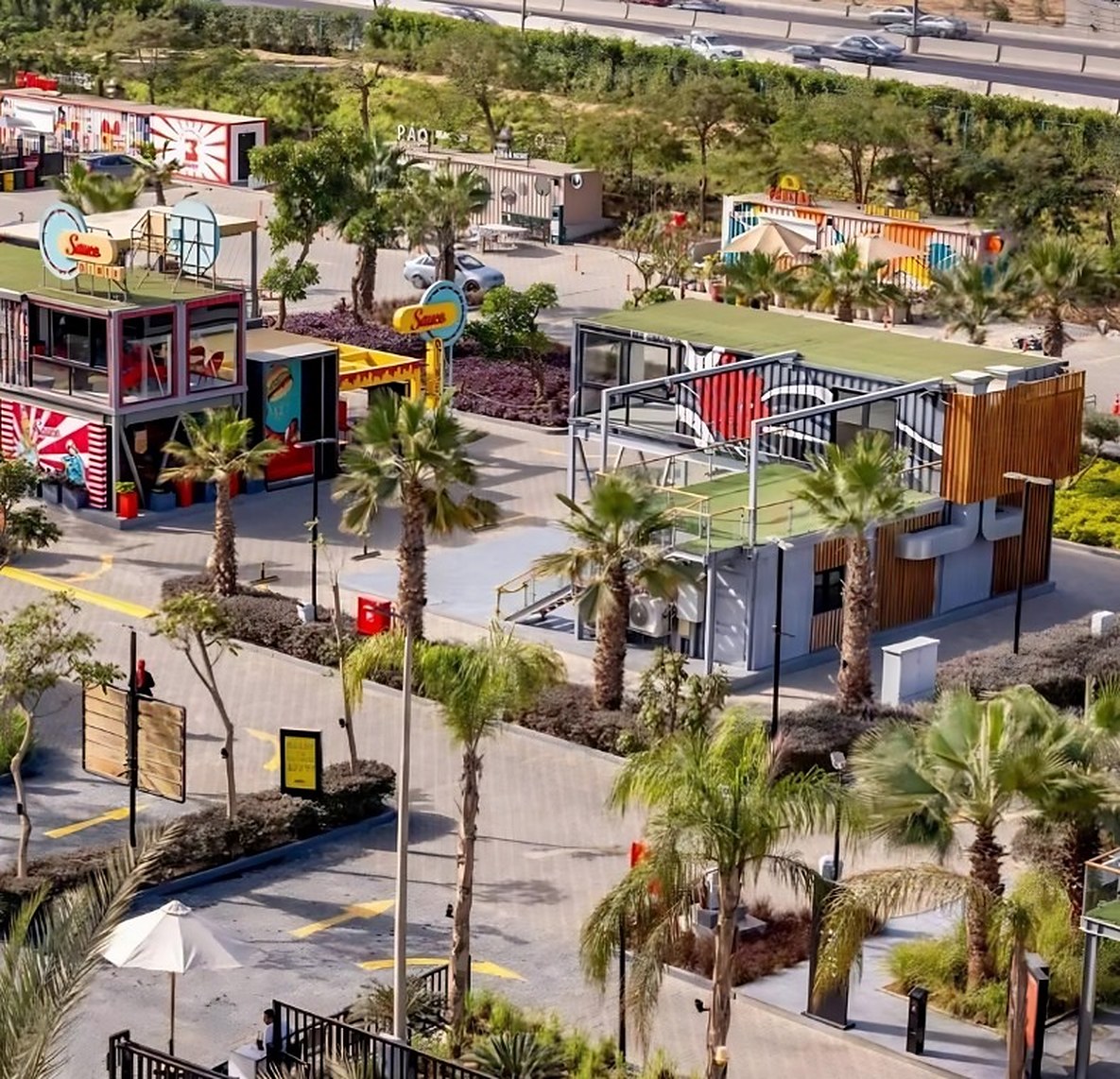
The Drive is a commercial destination combining commercial strategy, architectural design, and purpose-built development. Qubix’s scope includes design, build, and turnkey delivery, from concept to handover. This is another recorded example of integrated delivery, with a different project purpose. The relevance is the relationship between services and scope, not an assumption that a commercial destination and a fitness facility need identical solutions or should follow the same sequence of decisions.
Prepare the information for execution
The approved Construction description concerns coordinated site delivery across structure, trades, quality, and handover. It can be read alongside the Architectural Design description as a transition from preparation to execution. For a new enquiry, share the intended use, site, scope and target programme, along with the information already available. The practical aim is a connected conversation: concepts and documentation that support the project brief, and a delivery discussion that stays within the actual scope.